

In the USA
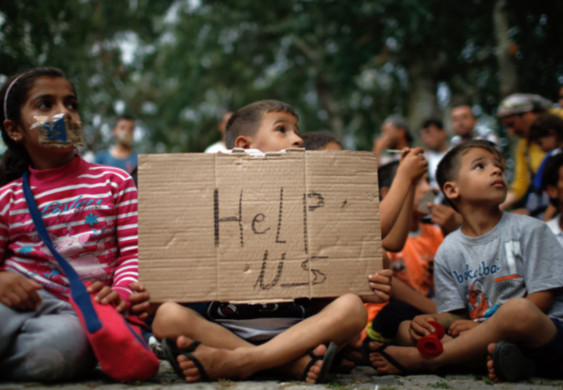
14 million children go hungry in the world's richest country
Nearly 14 million children in the United States, or one in five children, suffer from food insecurity and hunger. At the height of the COVID crisis, that number was approaching 18 million. This is part of a broader and more serious problem of hunger and food insecurity that affects all ages. The number of households with children experiencing food insecurity is underreported because households with children make up only 39 percent of all households in the United States, and because adults are often more likely to protect children from hunger.
According to the official report, the number of households where children were food insecure and hungry rose sharply to 3.3 million in 2022, from 2.3 million in 2021, a 44 percent increase in one year. Similarly, households with high levels of food insecurity among children (which includes children who skip meals or do not eat at all during the day) increased from 274,000 in 2021 to 381,000 in 2022, a 40 percent increase in one year.
Some segments of the population, such as blacks and Latinos, have significantly higher than average rates of food insecurity and hunger.
Why is it that a country with a high GDP, the largest number of billionaires, a vast natural resource base, and extraordinary capabilities to create currency and trading systems that suit its interests cannot adequately feed its people, and that hunger and food shortages are so high among its people, especially its children?
Furthermore, while the US has been able to allocate hundreds of billions of dollars to Israel for its most destructive and proxy wars, it has failed to allocate tens of billions of dollars to prevent famine in the country.
Indeed, available data shows that while the US is deeply involved in such proxy conflicts that cost so many lives, the number of people suffering from hunger and food insecurity within the country is growing at a very rapid pace.
In many parts of the US, the expected decline in hunger after the COVID crisis ended has not occurred, as some special programs introduced to prevent hunger and other needs during the COVID era were hastily canceled.
The Center for Food Research and Action recently warned that as many as 12 U.S. states are poised to cut a total of $1.4 billion in spending on the Food and Nutrition Assistance Program (EBT), a move that could eliminate the food supply of up to 10 million children by the summer of next year (2025).
All of this clearly demonstrates that capitalism, especially its aggressive forms, deliberately neglects to meet the most pressing needs of its own people, let alone the needs and security of the people of other countries. This is extremely sad for a country that openly supports a genocide that is shaking the entire world.
Related to the topic
-
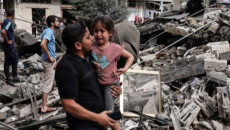
About twenty Israeli soldiers refused to return to the Gaza Strip. Ten of them were warned that they would be brought to a military court if they refused. Some soldiers said they could not return to Gaza after 10 months of fighting, but were ready to take on other responsibilities.
-
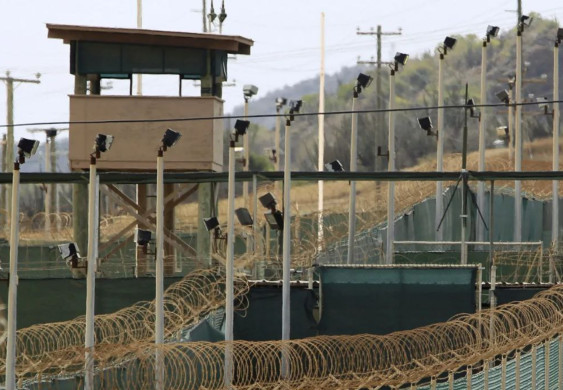
The US government has transferred 11 Yemeni prisoners held at Guantanamo Bay to Oman, leaving 15 prisoners currently held at the Cuban prison.